Door locks and home security: what actually matters
The Abimeister team · Updated · 3 min read
A door lock is one of the few things in a house where a small detail decides everything. An expensive lock with the wrong cylinder is weaker than a cheap lock with the right one. Here are the details that matter.
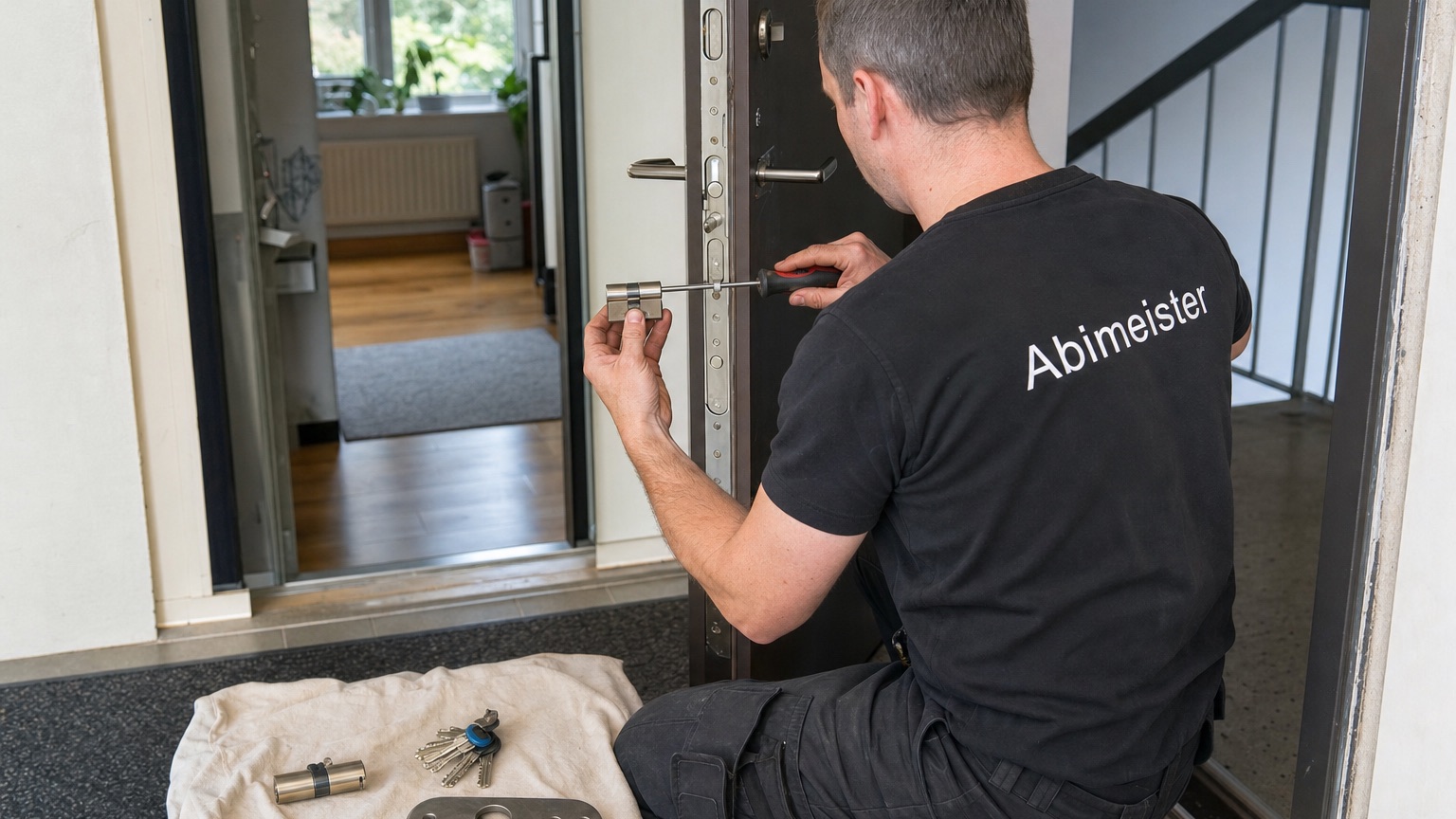
Cylinder length matters more than the brand
The cylinder must not project more than 2–3 mm beyond the face of the door. A protruding cylinder is the one place a lock can be snapped, and it is also the commonest fault on Estonian flat doors.
Measure each side of the door separately: most doors are not symmetrical and cylinders are marked like 35/45. The wrong size means either a protruding cylinder or one that does not reach the mechanism.
What is sensible and what is not
After moving in, change the cylinder, not the whole lock. A cylinder costs a fraction of a lock and swaps in ten minutes; replacing the whole lock is only needed when the mechanism is worn or the door has been damaged.
Two locks on one door are stronger than one expensive lock, but only if they are at different heights and both throw into the frame. Two locks side by side in the middle add nothing.
A code lock is convenient, but always ask what happens when the battery dies. A good one still opens with a key and warns before the battery runs out.
- The cylinder projects no more than 3 mm
- The bolt throws at least 20 mm into the frame
- The frame has a steel keep, not just timber
- The hinges are sound and the door has not dropped
- The cylinder was changed after moving in or losing a key
The door as a whole, not just the lock
The strongest lock does not help if the keep is held by two short screws into timber. Keep screws should reach the wall structure — a cheap change that improves the door's real strength more than a new lock does.
In an apartment building the weakest point is often the stairwell door, propped open with a wedge. No flat door compensates for that; it is worth raising with the association.
When a key is lost
With a lost key there are two questions: was anything attached that reveals the address, and can you get in right now. The first decides how fast the lock has to change — if the keyring carried a labelled tag or a car key, immediately, not next week.
Getting in without damage is usually possible. Most flat doors are opened by drilling the cylinder, which destroys only the cylinder and leaves the leaf and frame intact. That is why a locksmith always comes with a replacement cylinder: opening and refitting are one visit, not two.
If the door is locked from the inside with a key left in it, drilling will not help. Then the only undamaged route is a special tool through the frame, and it works on certain lock models only — give the lock's make on the phone and you will know in advance whether the door survives.
- Check whether the lost key carried any clue to the address
- Change the cylinder, not the whole lock, if the door is sound
- Have the opening and the new cylinder done in one visit
- Keep a spare key away from the home, not in a box by the door
- In a rented flat, report the loss to the owner in writing
Change the cylinder as soon as you move in. Ten minutes and under fifty euros — and it is the only way to know how many keys are out there.